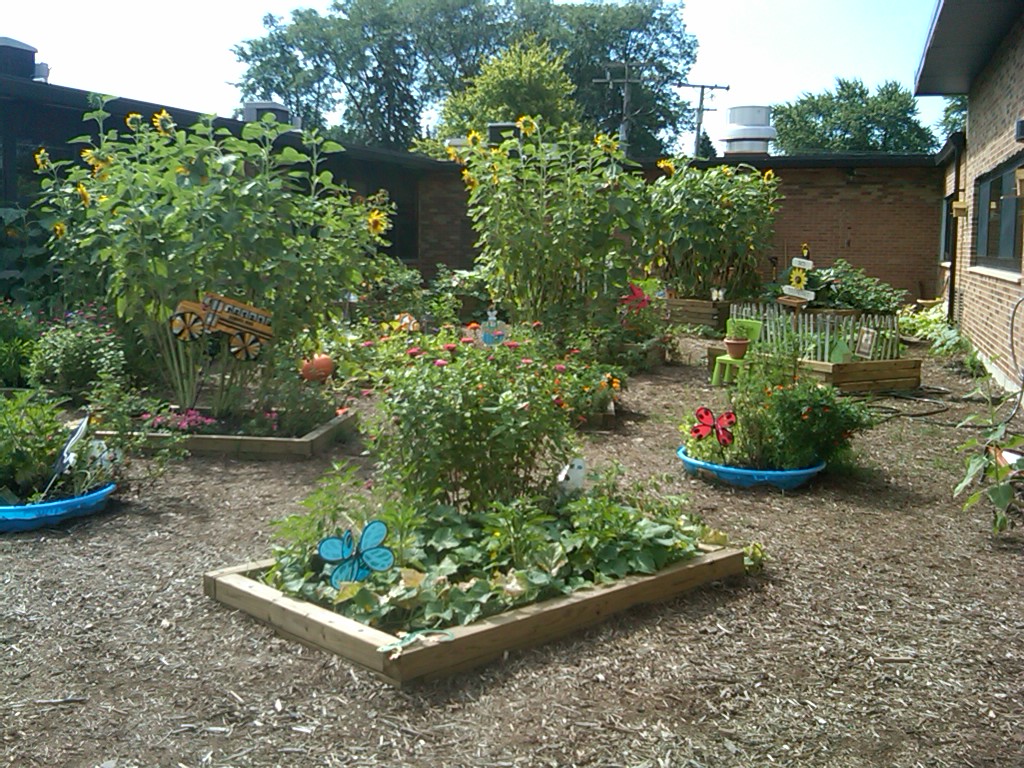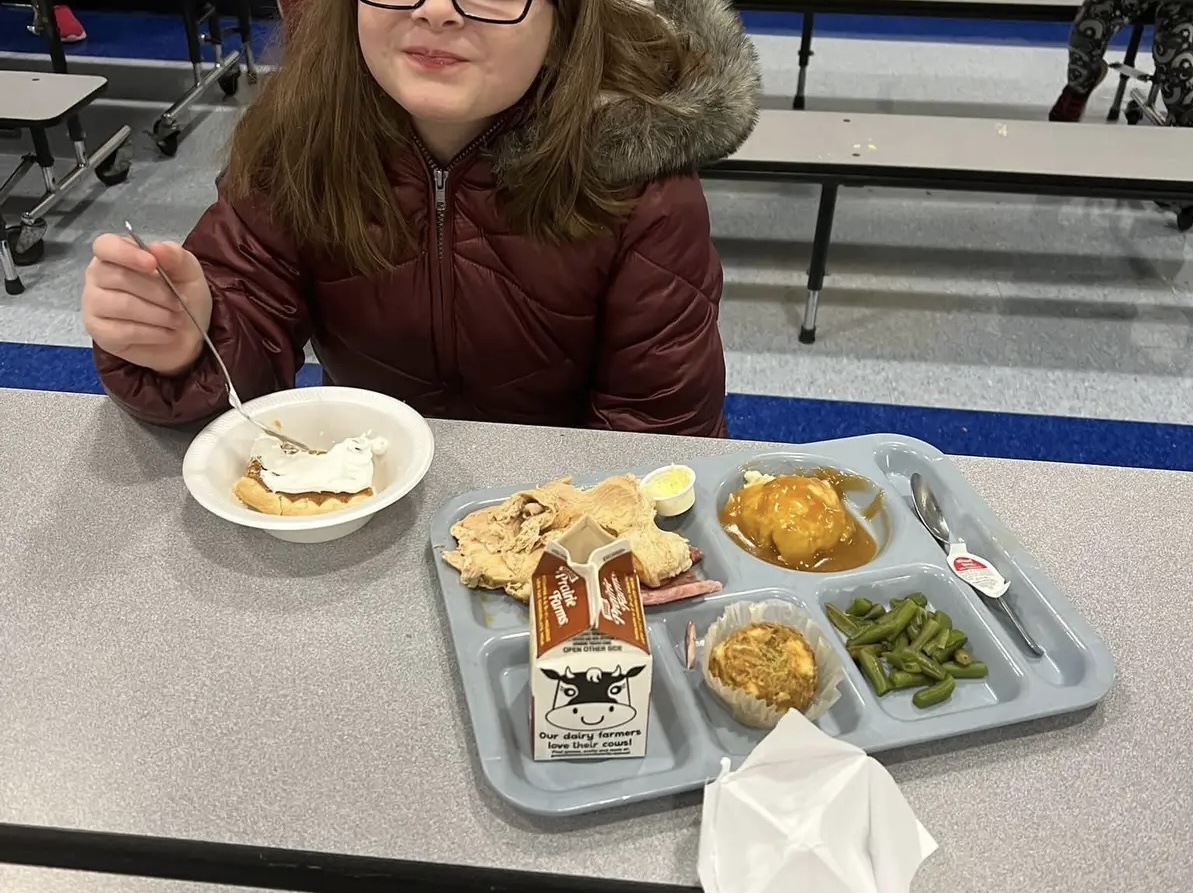
Connie Crawley is on a mission to transform how young people think about food, and she’s doing it one school meal at a time.
“The palates of our students are being formed to enjoy, and be drawn to more nutritious foods,” she says.
Crawley is the food service director for Lincoln Elementary School District 27 in rural Illinois, about halfway between Peoria and Springfield. Lincoln ESD27 isn’t a big district, but when it comes to local food and scratch cooking, it’s a powerhouse. Crawley is committed to serving her kids healthy, delicious, local meals, all of which feature items made right there in the school kitchens. Over the years, Crawley has transformed the district’s meals from the standard, frozen, highly processed options to meals that are about 90% scratch-cooked, with about 60% locally sourced ingredients.
So, how did Crawley and her team get there? With a lot of support in the district and local community.
“We could not be at these numbers if it was not for the support of our superintendent and
school board,” she says. “It definitely takes a village to run a school nutrition program like this. Our administration and school board see firsthand the hard work my staff and I do.”
The journey was step by step, and it began with a focus on health. Lincoln ESD27 is located in Logan County, which was identified as having one of the highest obesity rates in Illinois. The local hospital, Lincoln Memorial, approached the school district about addressing the issue by starting young and helping kids build healthy eating habits. The Lincoln Memorial Hospital Foundation provided funding for the district to partner with Greg Christian and Beyond Green Partners. They started small by slowly introducing local ingredients and just a single scratch-cooked element of a meal, and it grew from there to be the enormously successful program it is today. Crawley says it wasn’t too difficult to help her kitchen staff transition to scratch cooking, it was just a matter of adopting a different mindset and learning to work together as a team, rather than solo at a designated station.
“This has definitely been a journey full of hills and valleys,” says Crawley. “I can honestly say we are making a difference in the health of our youth in Logan County. It has not always been easy, but the outcome is definitely worth it.”
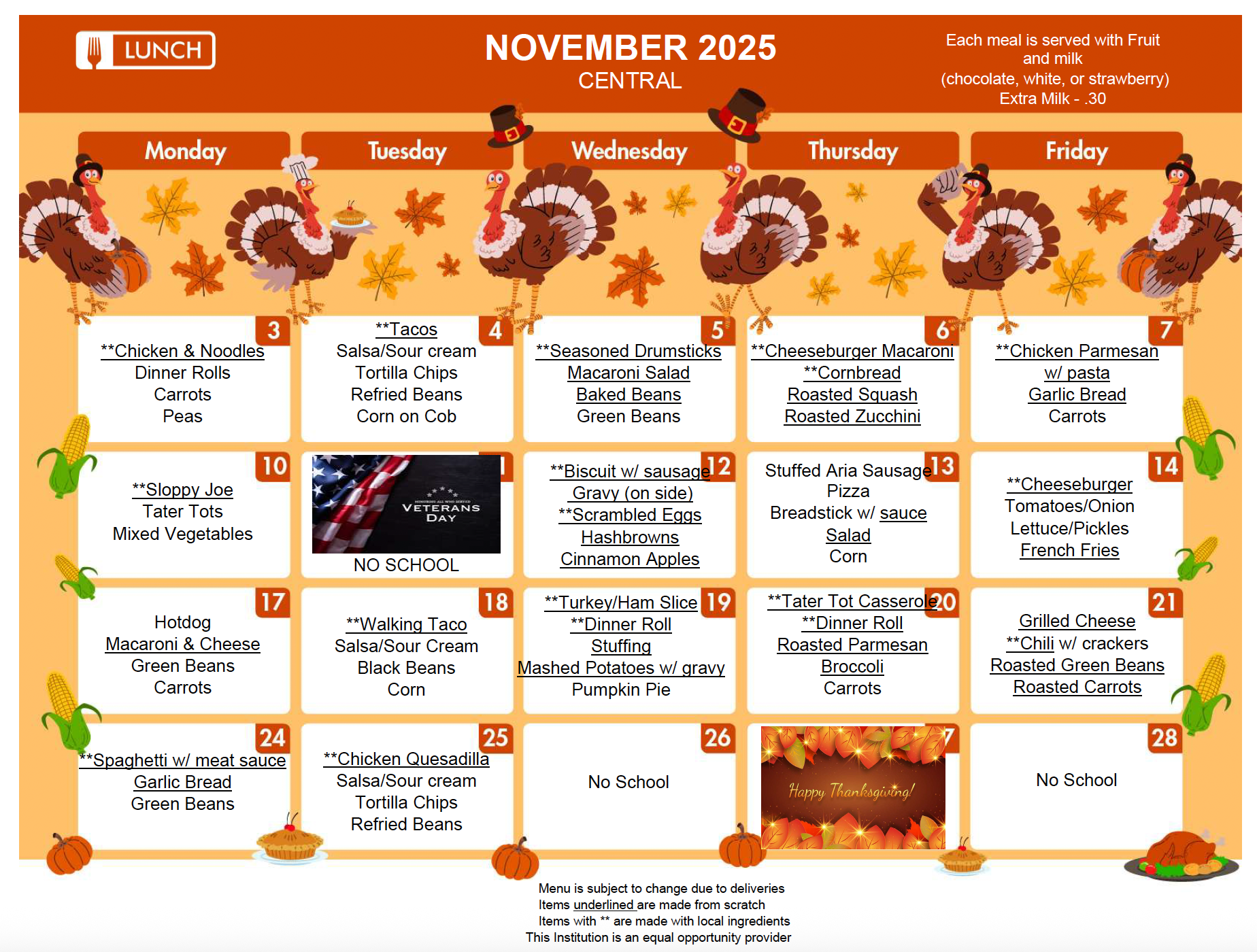
Crawley says the district has relied on funding from a variety of sources to make this program happen. The funding from the hospital kickstarted the program, while USDA Local Food for Schools (LFS) funding helped them add even more local foods to their menus. While Crawley says their ability to cook meals from scratch won’t change, losing LFS funding could affect their ability to purchase local foods.
“Purchasing local foods costs more money,” she says. “Having the funding tremendously helps in purchasing local foods. If funding is not available, we will need to rely on participation. The higher the participation, the higher the reimbursement.”
There’s no question that there’s demand for healthy, scratch-cooked local meals from students, parents, and school board members. Crawley says there are multiple different school districts in their town, and after her first year of doing local, scratch-cooked meals, she was approached by several other districts who were interested in participating because they had heard such good things about the transformation happening with the meals in Lincoln ESD27. So, because of her district’s success, Crawley’s team is now also cooking meals for other districts throughout the area. In 2024, they also trained the staff in another local district so their team was able to start cooking from scratch, as well. This arrangement brings in additional revenue for Lincoln ESD27, and helps expose more kids across Logan County to healthy eating habits. Crawley and her team are now currently serving about 750 breakfasts and 1500 lunches daily.
But you only need to look to the students for the proof of Lincoln ESD27’s success. Crawley says school lunch participation numbers are up, and students have responded positively to the changes. Partly, it’s that the food is healthier and more delicious, but it’s also because the students have a say in meal planning. They’re able to share feedback and tell the staff what they liked and what they think could be improved. This process ultimately makes for better meals and happier students.
“They know their voice matters,” says Crawley.
Lincoln ESD27 shows that with commitment, creativity, and support from the community, even small steps toward building a farm to school program can have a big impact.
This is the last story in a series of articles about forging ahead with farm to school in Illinois, despite federal funding cuts and policy changes. We encourage you to check out our first story on farm to school policy, and our second story on the work of Beyond Green Partners.